Spring gear recommendations
To avoid chafing, sore legs and burnt skin

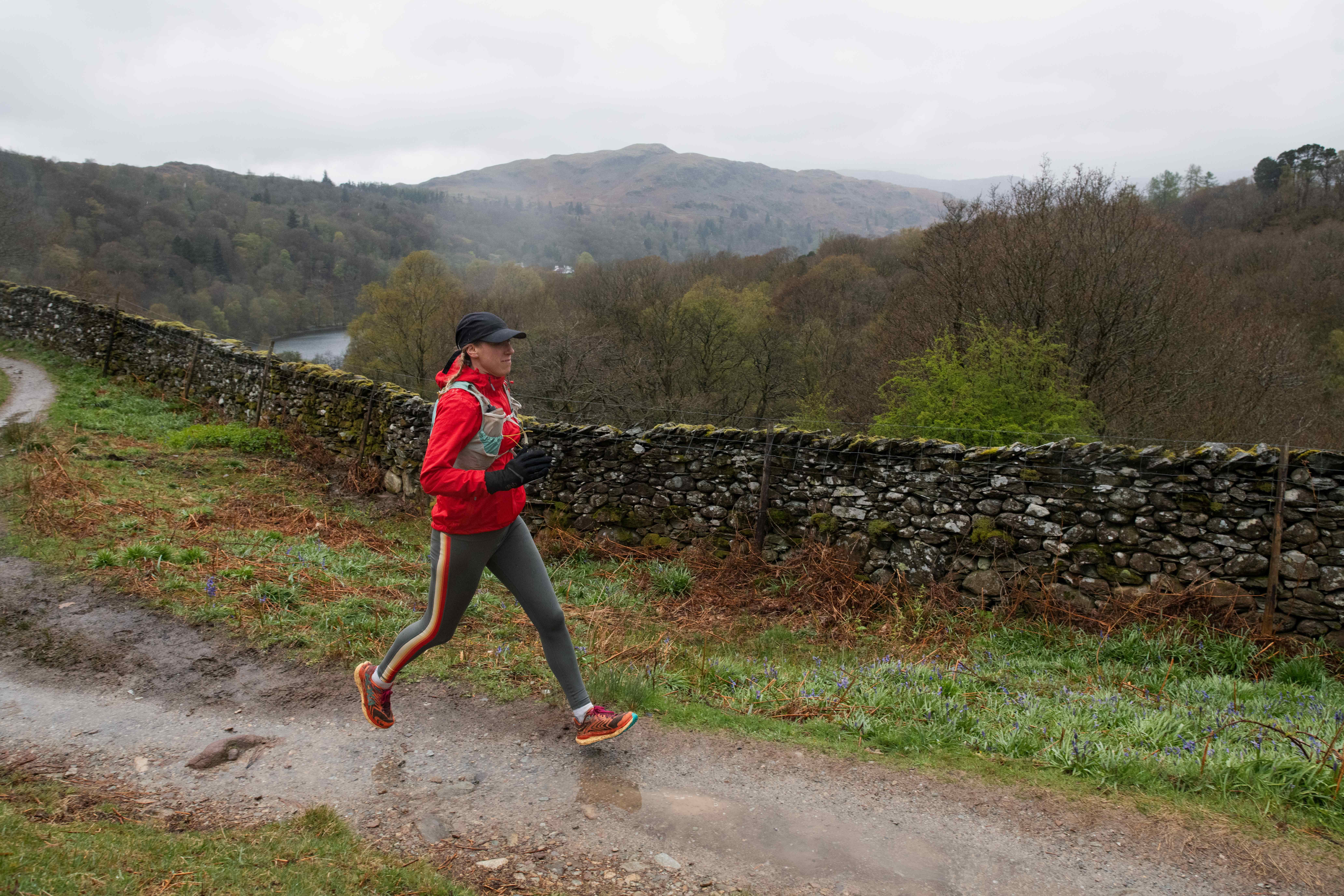
Running is cheap, they say. You just need a pair of trainers and off you go. If only this were true. The reality is the world of running is hugely commercialised and there seems to be a must-have product for everything.
Getting blisters? Buy toe socks! Arm’s a bit chilly? Get these running sleeves! Keep getting lost? Fork out £800 on this solar charged watch.
Trail running is even more expensive with the need for hydration vests, nutrition, poles, all weather gear and random items on mandatory race kit lists.
The first thing to say is that you don’t need ALL the gear but there are some bits of kit that become pretty essential. The second thing is that you don’t have to buy new. There are loads of great Facebook groups to get second hand running gear from and bargains galore on sites like Vinted.
Use and reuse
Sometimes keeping things simple is also a cheaper and better-for-the-environment option. Why do you need a pair of running sunglasses if your normal sunglasses are fine (assuming they don’t slip down your nose when you sweat)? Try eating real food like homemade sandwiches rather than buying expensive plastic-wrapped sports nutrition. Keep gear that is old and battered if it still works for you. Don’t feel pressured into buying new shoes every 500 miles (see my previous post). Last week I went out with friends and as usual wore a pair of funky running shoes with a skirt. I haven’t bought ‘fashion’ trainers in years, because running shoes are the same thing!
My Cambelbak hydration vest is old, smelly and wearing away. It has seen me through multiple ultra marathons and thousands of miles of training runs. But I just love it and have never found anything that is as comfortable to wear. I could really do with a bigger pack and one that holds running poles more easily, but I can’t find anything suitable, so for now I am sticking with my old favourite.
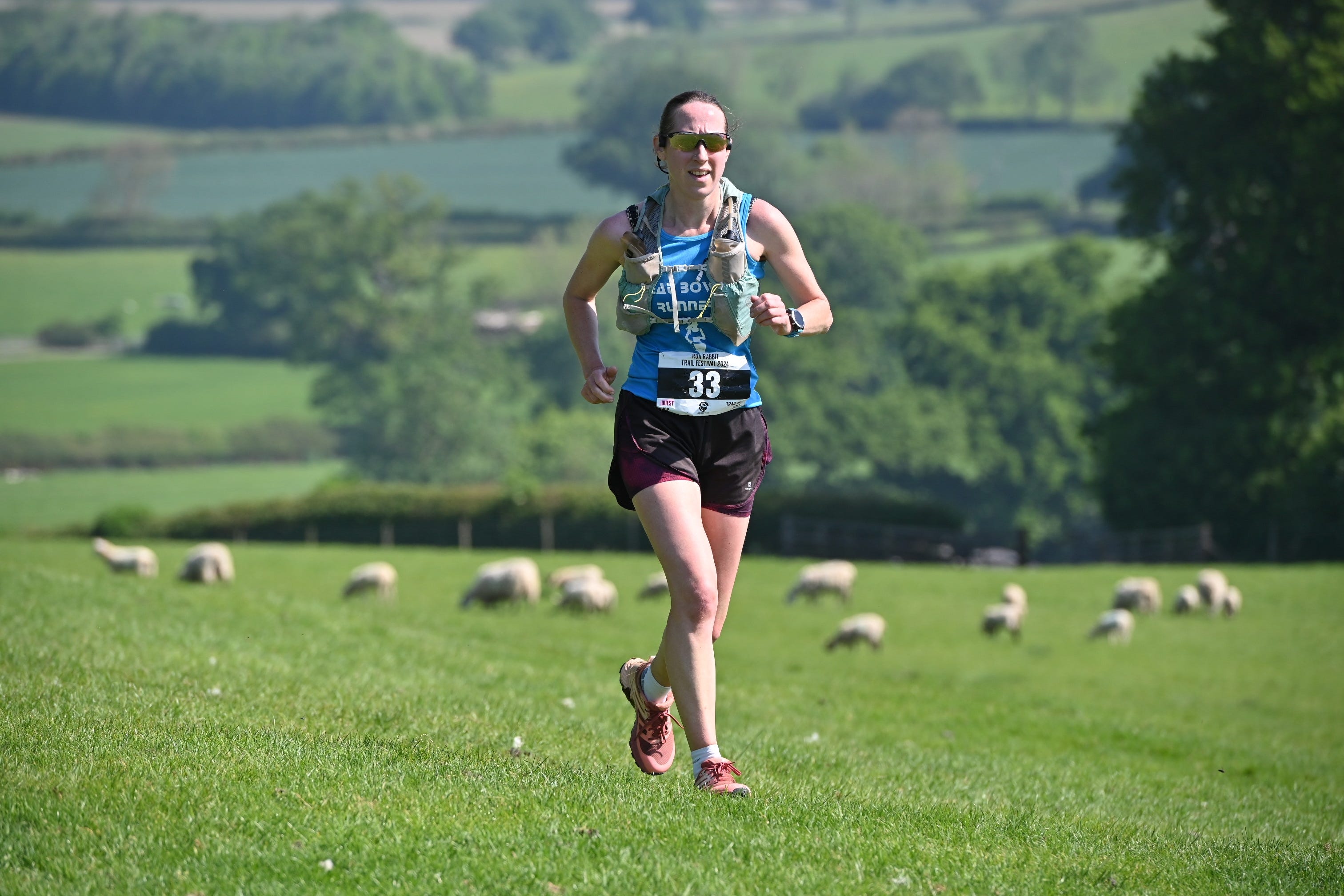
Similarly my Garmin Fenix 5 is deemed pretty old now and the GPS mapping is nothing more than a line on the screen to follow. But it still works and I subscribe to OS Maps app to get a detailed topographical map so at the moment I can’t justify upgrading my watch. It seems wasteful of money and the Earth’s resources.
Read Damian Hall’s We Can’t Run Away From This if you really want to stop your running gear buying habits. It’s depressing stuff.
Picks of the month
All that being said, there are some bits of kit that I personally use on a regularly basis that I highly recommend. Especially if you are increasing your mileage and starting to run with a hydration vest (to carry water and food) into the hotter summer months.
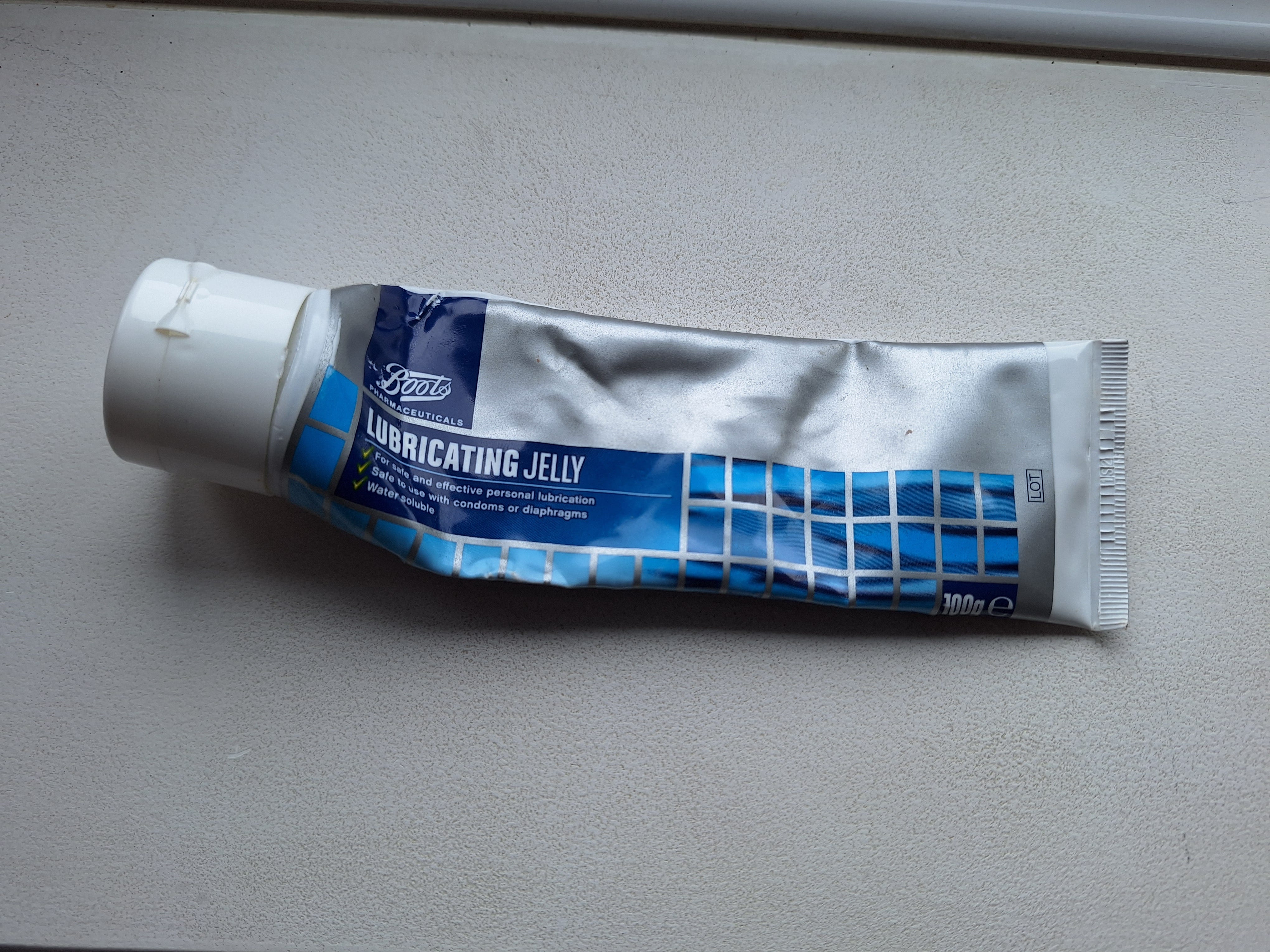
Lubricating jelly
This is a recent find for me and has changed my life. But not in that way. I have always suffered from chafing under my bra band and usually place a piece of zinc tape under the band at the back and front. This tends to work but on really humid days I have found the sweat has pooled between my breasts causing chafing on my boobs. Great.
Ultra runner Allie Bailey recommended on the excellent Bailey and Harding Ultrasound System podcast that I use lube to alleviate chafing. And it worked immediately! I didn’t need a fancy anti-chafing product just a tube of own brand lubrication gel costing a couple of quid. At a two-day race last weekend I found myself generously rubbing it on my chest, under arms and inner thighs because the heat and humidity were causing sore spots. It worked so well that I no longer needed to use zinc tape (except on my toes when I feel a blister forming).
Oofos sliders
Last year I was sent a pair of Oofos recovery flip flops. I was very skeptical to say the least. How on earth could flip flops be good for your recovery when every podiatrist going says they are terrible for your feet? Turns out I was wrong. The flip flops, which have a supportive arched sole, are incredible. Wearing these after a long training run or race noticeably reduced my DOMs (delayed onset muscle soreness). I was converted. They were an absolute must when I packed my race bag for Ultra X Tanzania, a 250km five day event.
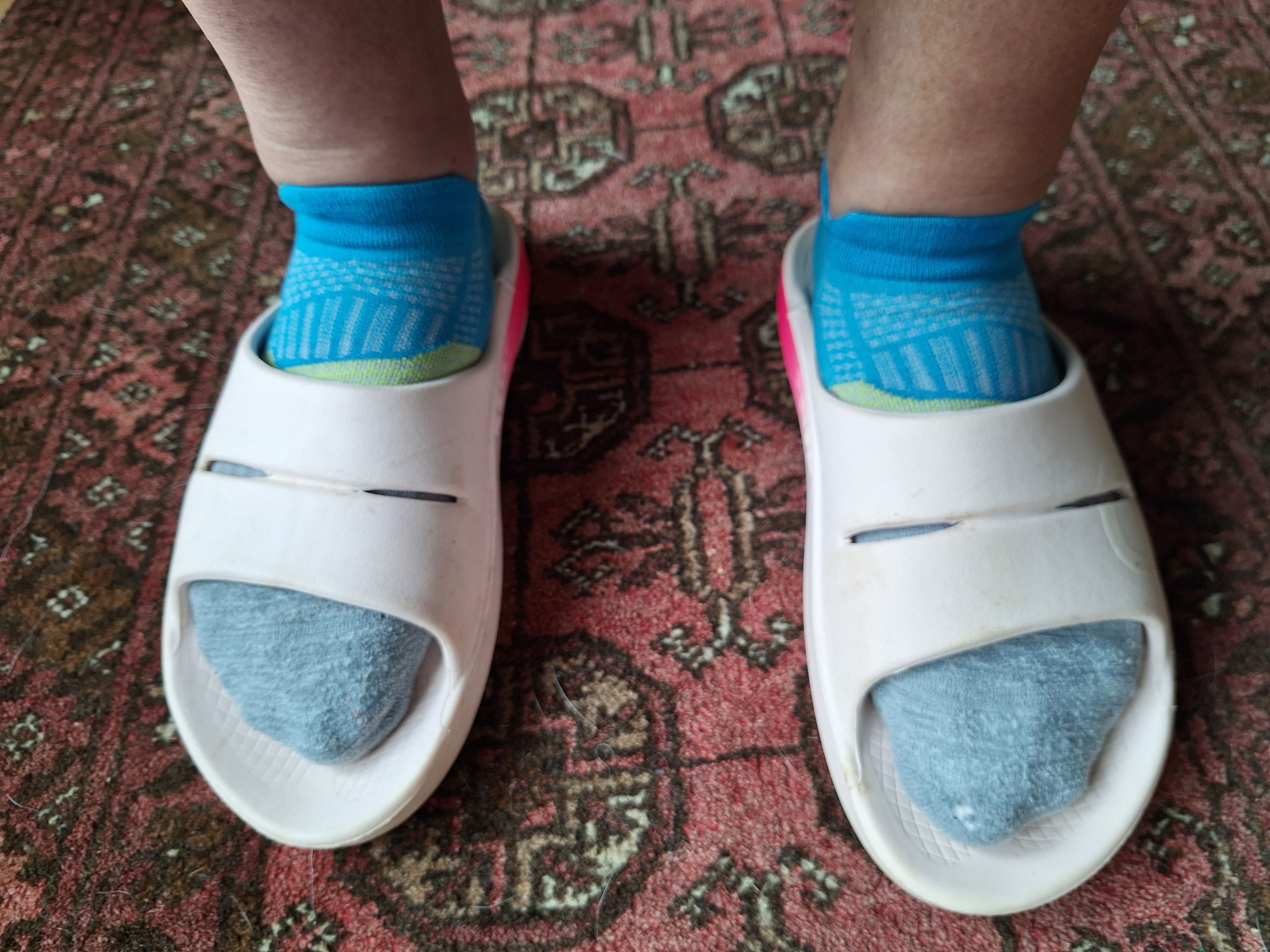
There was only one problem. I hadn’t anticipated I would get blisters between my toes meaning slipping on a flip flop was impossible. That was why everyone was wearing sliders! So this year when I started getting a plantar fasciitis- type niggle in my left heel I knew I needed to wear more supportive shoes around the house, rather than slippers or no shoes. I opted for the Oofos sliders and I now wear them ALL the time. My niggles have gone and the beauty of the sliders is on a cooler day I can wear them with socks.
LifeJacket sun cream
So this is where I would say getting a specialist product is worth the money. I used LifeJacket daily protection moisturiser (factor 30) and sun protection spray (factor 50) in Tanzania and was impressed at just how effective it was. I would put it on in the morning, and it would last all day. It really does seem to stick to your skin and doesn’t sweat off. At the moment I just use the daily protection moisturiser on my face each morning. It means I don’t need to use a separate moisturiser so I am getting two products for the price of one. The best thing to put on your face is sun cream rather than expensive ‘age-defining’ creams and lotions anyway (top tip: they don’t work). And if you don’t believe me, listen to this Skin-care: Is Anti-Aging a Scam (spoiler: it is).
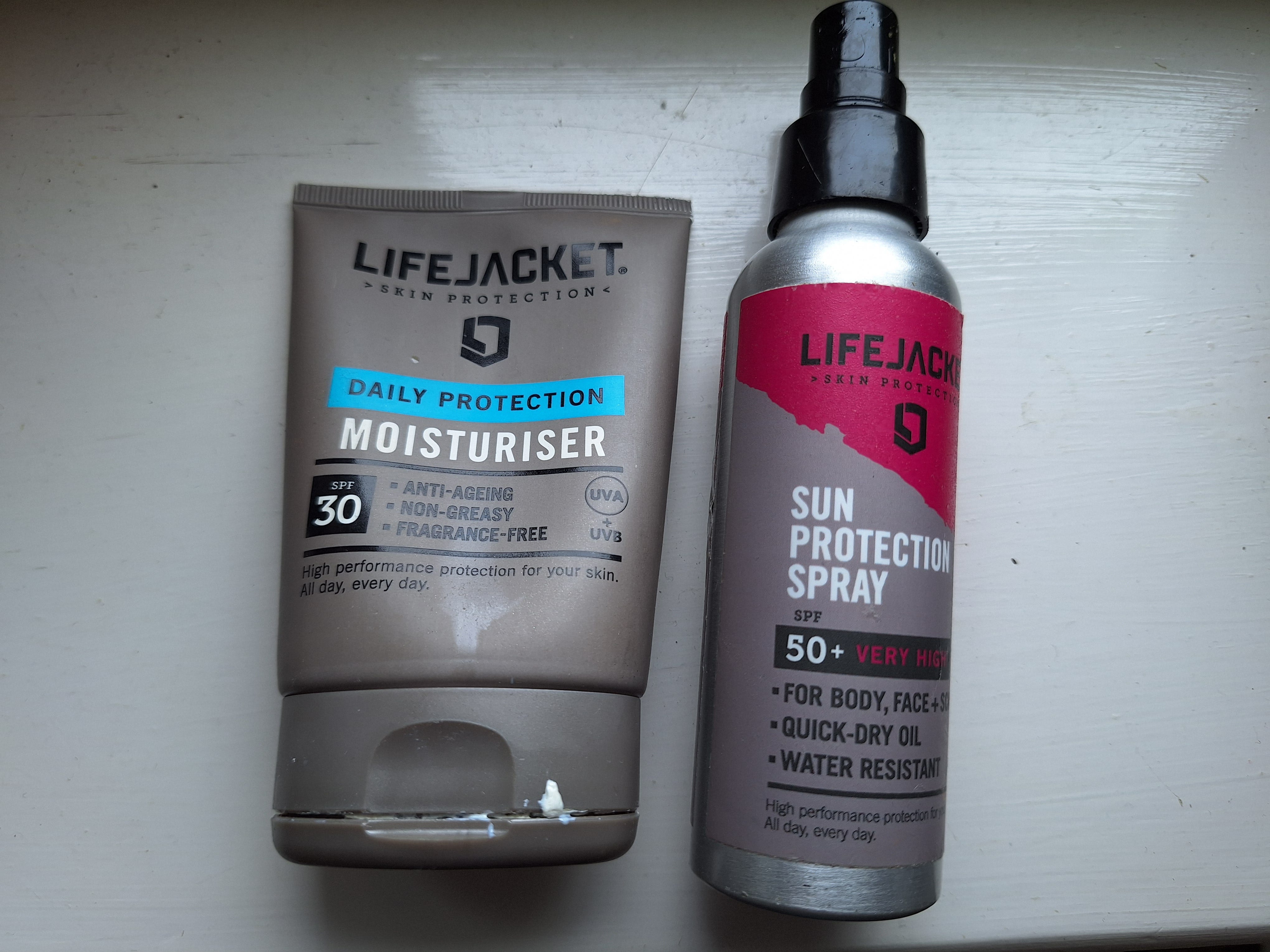
But back to running. If you are training on roads or trails for more than an hour over the spring/summer months I would absolutely recommend investing in LifeGuard sun protection. I favour the sun gels over the spray just because I find it easier to see if I have missed a spot.
What’s your favourite piece of running? Is there something you can’t run without? Let me know! And as ever feel free to send feedback to lilycanter@yahoo.co.uk or suggest topics you’d like me to cover.